Posted on September 04, 2026
Every September, Heritage Open Days offers a rare opportunity to step beyond the familiar and discover some of England’s most fascinating historic places. From grand country houses and ancient gardens to hidden rooms, local museums and buildings that are rarely open to the public, the festival brings the stories behind our surroundings to life. Taking place from 11th – 20th September 2026, this year’s Heritage Open Days explores the theme ‘Everyday Histories’, shining a light on the people, skills, routines and working lives that have shaped communities through the centuries.
For those exploring The Cotswolds, it is an especially appealing time to discover the region. Behind its honey-coloured stone, picturesque villages and beautiful countryside lies a remarkable history, and Heritage Open Days provides the chance to experience some of it from a different perspective. Here are some of our highlights for 2026.
Kelmscott Manor
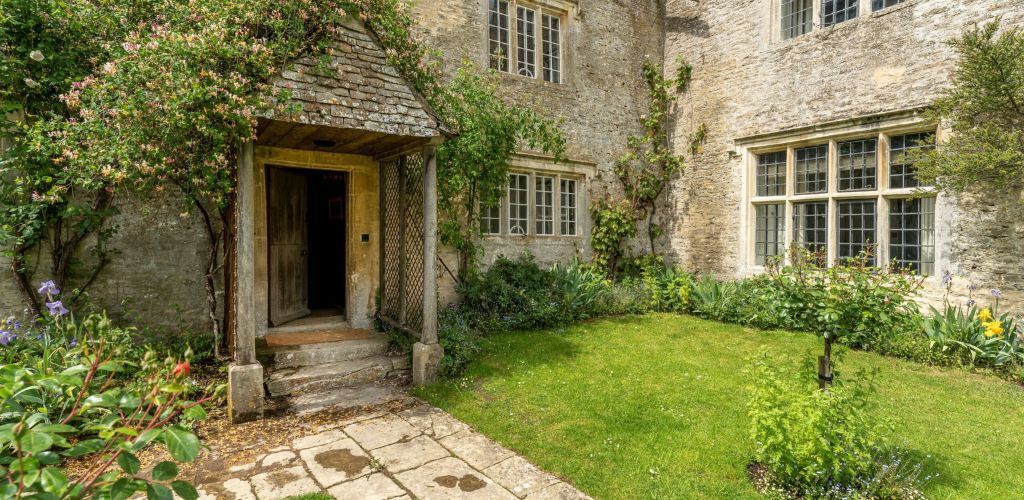
Near Lechlade, Kelmscott Manor offers a wonderful glimpse into the world of William Morris, the celebrated artist, designer and leading figure of the Arts and Crafts movement. Morris regarded the 17th-century manor as his country retreat and famously described it as ‘heaven on Earth’. Inside, visitors can discover furniture, textiles, ceramics and artworks associated with Morris and his family, while the surrounding gardens provide a peaceful setting to explore.
As part of Heritage Open Days, the manor will be open free of charge on Saturday 12th September, with family-friendly activities taking place throughout the day.
Chedworth Roman Villa
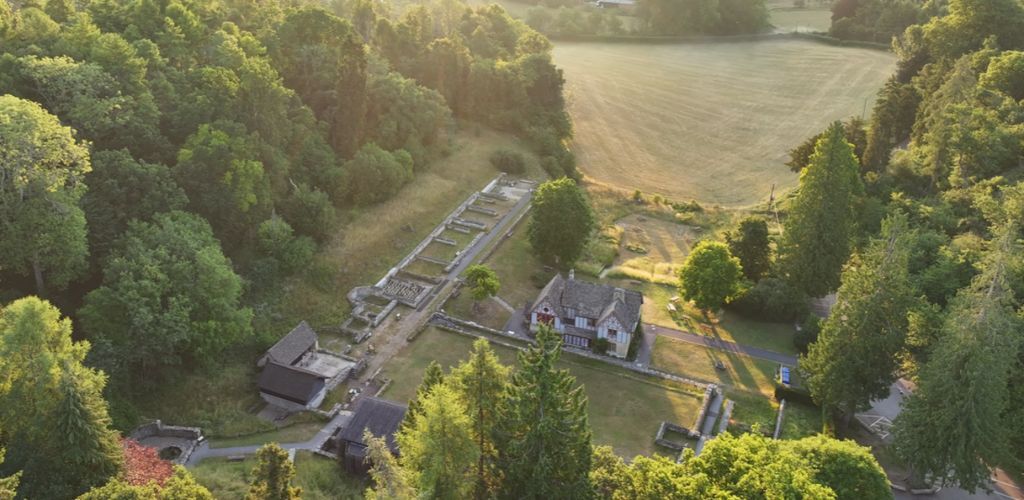
For something considerably older, a visit to Chedworth Roman Villa offers an extraordinary insight into life in Roman Britain. Set within The Cotswold countryside, the remains reveal the scale and sophistication of one of Britain’s grand Roman villas, including original mosaics, bathhouses and a hypocaust heating system.
During Heritage Open Days on 12th and 13th September, costumed residents will bring the site to life, offering an entertaining insight into what everyday life may have looked like almost 2,000 years ago.
Hidcote Manor Garden
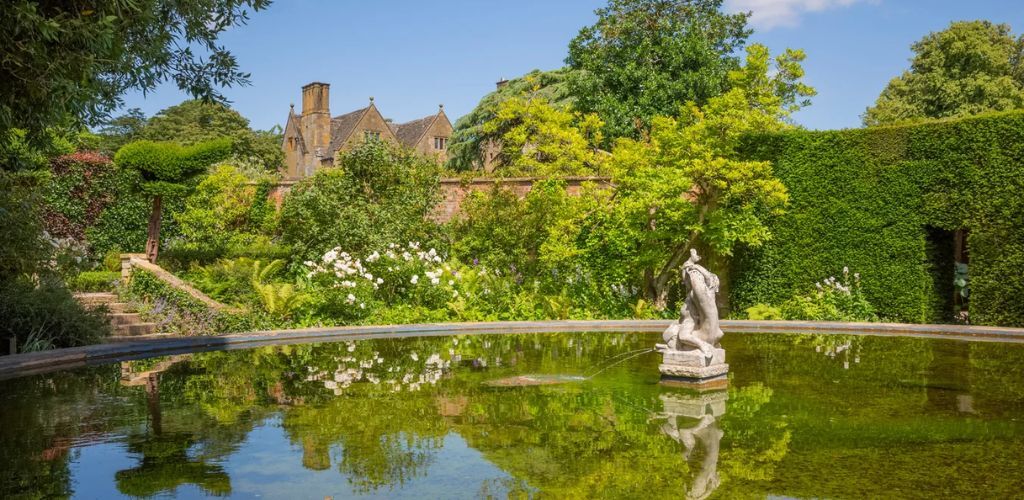
Few places capture The Cotswolds’ enduring love affair with gardens quite like Hidcote Manor Garden near Chipping Campden. Created by horticulturalist Major Lawrence Johnston in the early 20th century, the garden is renowned for its distinctive outdoor ‘rooms’, each offering a different atmosphere and planting scheme.
On Sunday 13th September, visitors can explore Hidcote free of charge as part of Heritage Open Days, alongside garden talks and the A Place That Whispers photographic exhibition.
Chastleton House & Gardens
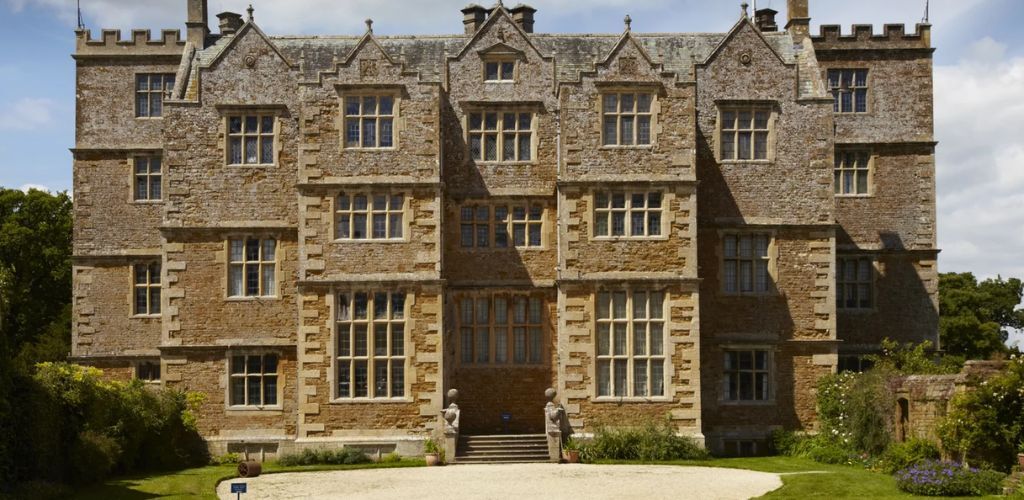
Tucked away near Moreton-in-Marsh, Chastleton House is one of The Cotswolds’ most evocative historic homes. Built in the early 17th century, the Jacobean house has remained remarkably unchanged, making it possible to experience something of what life was like within a country house hundreds of years ago. Visitors can explore its historic interiors, collections and portraits before wandering through the gardens and wilderness walk.
The house will be open free of charge on Saturday 19th September, providing a rare opportunity to explore this remarkable piece of Cotswold history.
Woodchester Mansion
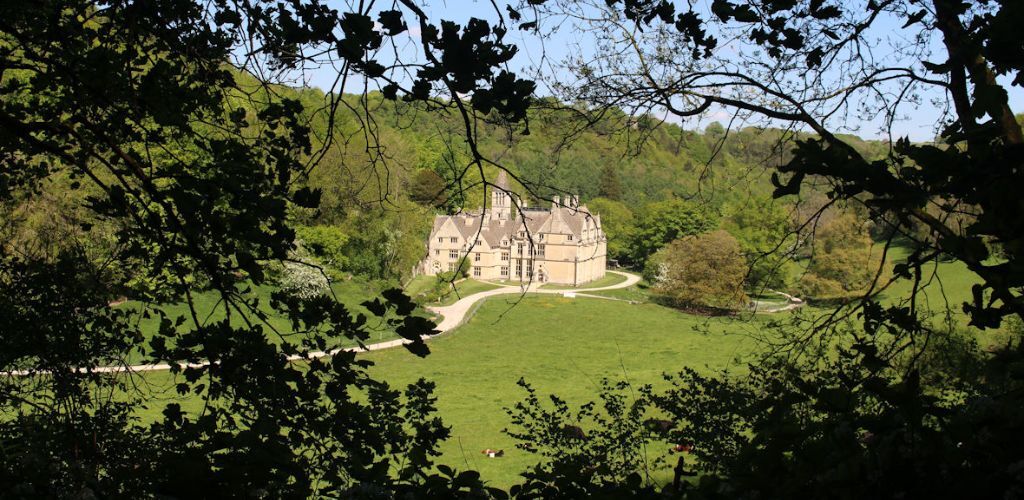
For something a little different, Woodchester Mansion near Stroud is one of the region’s most intriguing historic buildings. Built in the Gothic Revival style during the 1860s, the mansion appears impressive from the outside. Yet step inside and you discover that it was never completed. Construction was abandoned in 1870, leaving behind an extraordinary unfinished interior.
During Heritage Open Days, visitors can explore the mansion for free on Saturday 19th September, with guided tours available during the day.
Horton Court
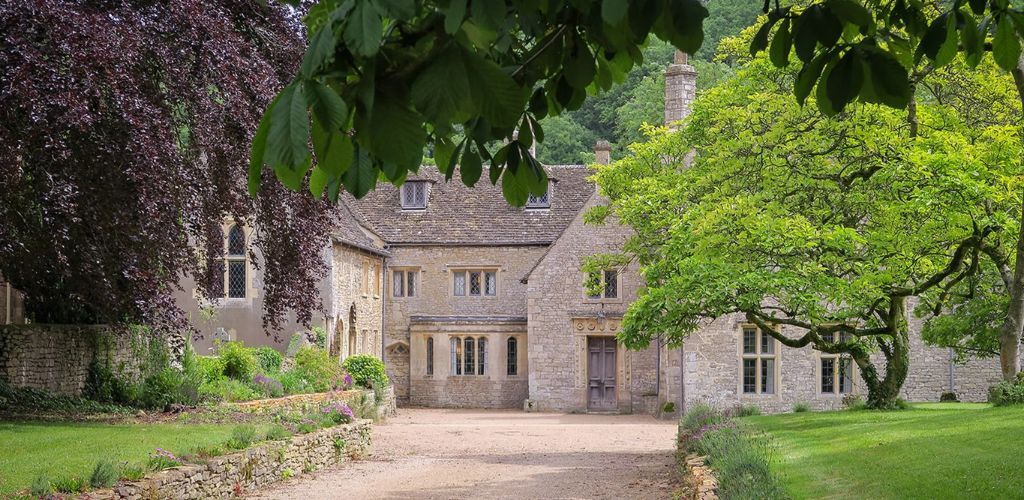
With a history stretching back to 1185, Horton Court near Chipping Sodbury is one of the National Trust’s oldest inhabited properties. The Grade I-listed manor has witnessed centuries of change and has been home to generations of families. It has also become familiar to television audiences, having featured in productions including Poldark and Wolf Hall.
Heritage Open Days provide a rare chance to look around the property and discover more about its long history, with the house open 12th and 13th September.
Tetbury Market House
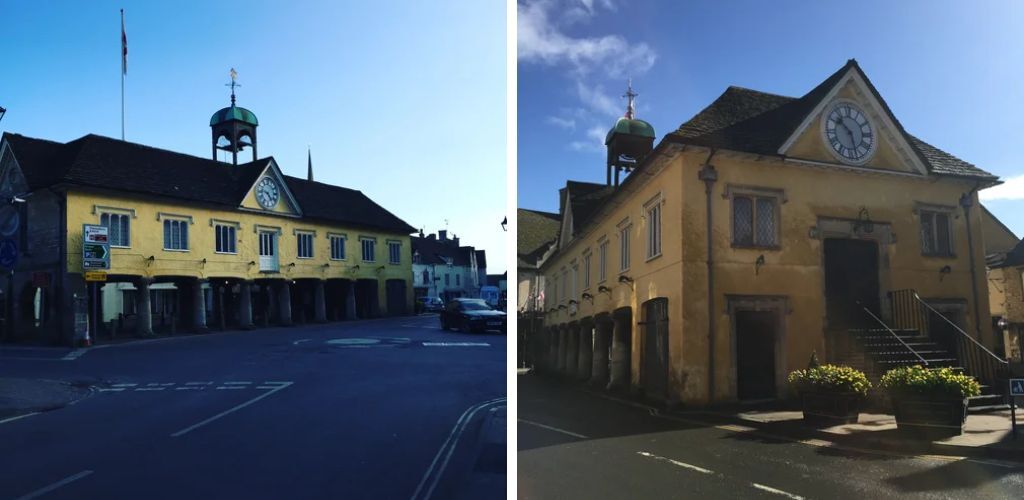
Heritage isn't always found behind the gates of a grand estate. In Tetbury, the Market House tells a much more everyday story. Built in 1655, the Market House was originally associated with the town's wool and yarn trade. Over the centuries, the building has also served as a lock-up and housed the town's fire engine.
During Heritage Open Days on Saturday 12th September, visitors can explore the building and see the Feoffee meeting room, an area not normally open to the public.
The Theatre

Theatre lovers can take a trip behind the scenes at The Theatre Chipping Norton, an Edwardian-style music hall originally built for the Salvation Army in 1888. Now a much-loved local arts venue, the theatre has been entertaining audiences for more than half a century. Heritage Open Days offer the chance to explore areas normally hidden from visitors, including the green room, backstage spaces and costume store.
Tours take place on 13th and 20th September, with pre-booking recommended.
Corinium Museum

No exploration of Cotswold heritage would be complete without a visit to Cirencester. The Corinium Museum celebrates the area's Roman and medieval past and is hosting several Heritage Open Days events this year. Highlights include curator talks, a taster of the Medieval Cirencester Town Walk and an illuminated initials craft activity inspired by the monks of Cirencester Abbey.
With events beginning on 11th September, it is an excellent place to discover more about the people and communities that have helped shape the region.
Cirencester Park
For a glimpse into the history of one of The Cotswolds’ most impressive landscapes, head to Cirencester Park, the historic parkland of the Bathurst Estate. As part of Heritage Open Days, visitors can join a free guided walk exploring the park’s connections with the Second World War, offering an insight into a lesser-known chapter in the estate’s history. There is also a separate guided walk focusing on restoration and conservation, exploring projects that have helped preserve the park and its historic landscape for future generations.
It is a lovely opportunity to see the park through a different lens. Beyond its magnificent avenues and open green spaces lies a story of changing uses, generations of stewardship and the people who have shaped this landscape over time.
Gigg Mill & Dunkirk Mill
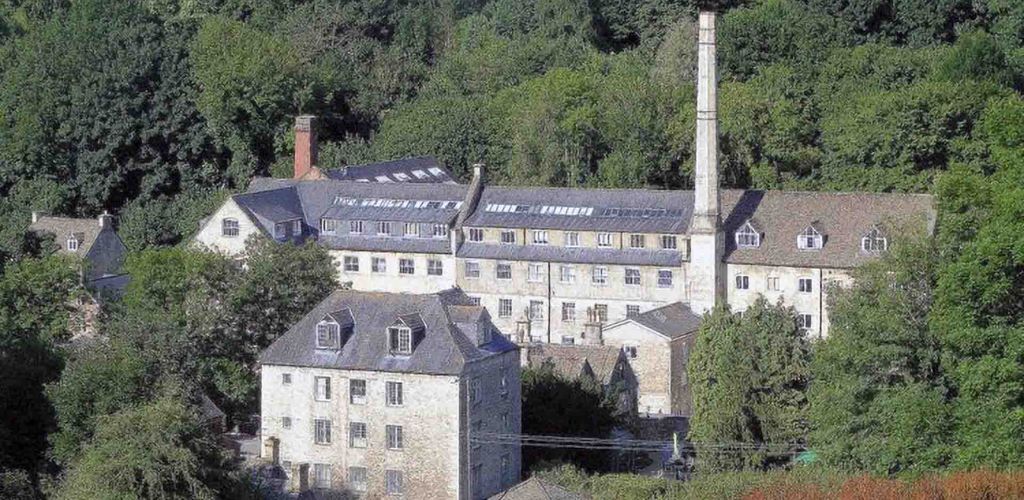
The Cotswolds’ heritage is often associated with grand houses and beautiful churches, but its history was also built around industry, particularly the wool trade that brought wealth and prosperity to the region. At Gigg Mill and Dunkirk Mill, near Nailsworth, visitors can discover this industrial heritage during Heritage Open Days on 12th and 13th September. Both mills offer an insight into the area's former textile industry and the working lives that once centred around these important buildings.
These sites provide a fascinating contrast to the grand country estates elsewhere in the Cotswolds. Rather than focusing on aristocratic life, they tell the story of the workers, craftspeople and industries that helped shape the towns and communities we know today.
Rixon Architects
Another particularly interesting stop is Rixon Architects, where visitors can take a mid-restoration tour of the 1841 Isambard Kingdom Brunel railway station on Friday 11th September. The tour includes the historic Great Western Railway Board Room and offers a fascinating look at both the building's past and its ongoing restoration.
Barn Theatre
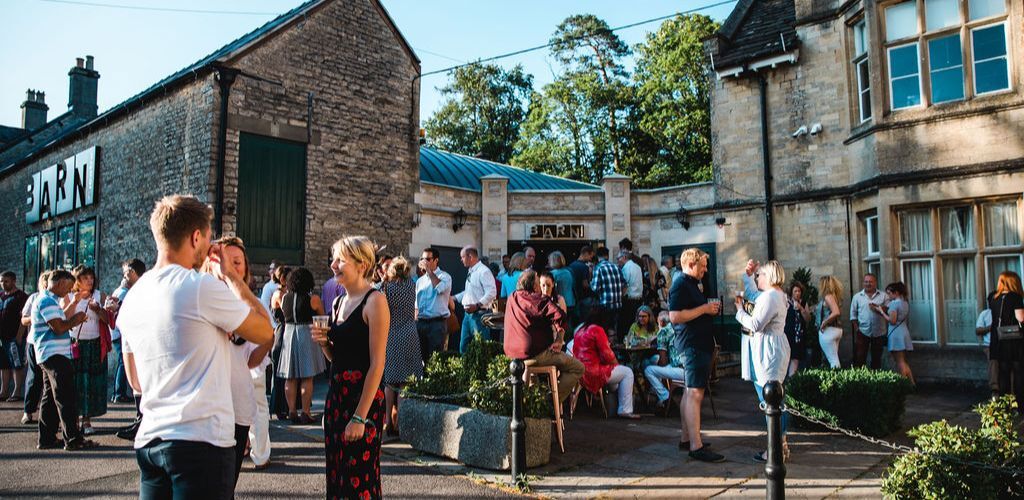
To round off the weekend, the Barn Theatre is hosting an evening of historic film on Sunday 13th September, introduced by archivist Robert Heaven. The footage includes fascinating glimpses of Cirencester through the years, including Queen Elizabeth II's visit in 1963 and images of residents at work and play. The event is free, although booking is required.
Explore Cheltenham’s History
Cheltenham offers an equally varied programme, reflecting the town's distinctive architectural and cultural heritage.
One of the highlights is Cheltenham College Chapel, where visitors can discover the history of the college, established in 1841, within its magnificent chapel. The tours are deliberately intimate, with just eight places available on each, making advance booking essential. Pre-book by emailing mailto:archives@cheltenhamcollege.org
Cheltenham's history can also be explored through its connection with the two World Wars. At Cheltenham Cemetery, visitors can explore First World War graves on 14th September and discover stories connected to the Second World War on 17th September.
Gordon Russell Design Museum
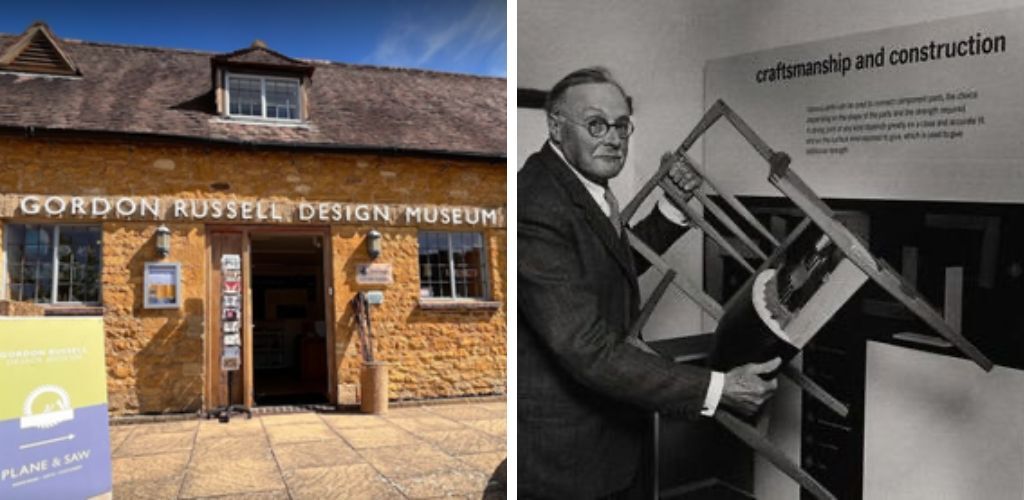
In Broadway, Heritage Open Days provides an opportunity to explore a different aspect of Cotswold heritage at the Gordon Russell Design Museum. Dedicated to the life and work of Sir Gordon Russell, the museum tells the story of one of Britain's most influential twentieth-century furniture designers. His work combines traditional craftsmanship with modern design, reflecting the importance of making and materials within The Cotswolds' wider artistic heritage.
The museum offers a fascinating counterpoint to the region's medieval buildings and country houses, demonstrating that The Cotswolds' design story did not end centuries ago.
Lodge Park
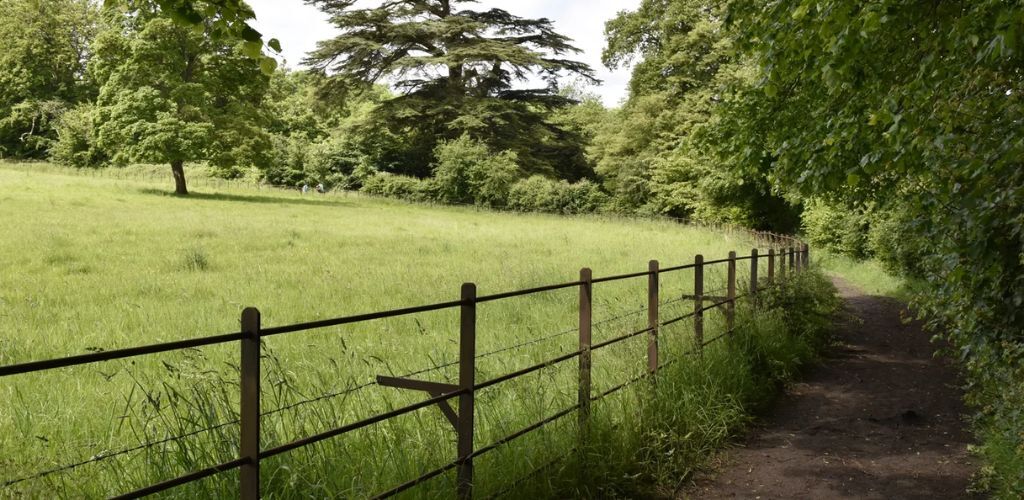
Near Sherborne, Lodge Park offers another fascinating perspective on the region's history. Built in the seventeenth century by John 'Crump' Dutton, Lodge Park is England's only surviving seventeenth-century deer course and grandstand. It was created as a place for gambling and entertainment and is now surrounded by a historic landscape designed by Charles Bridgeman.
On Sunday 20th September, visitors can explore an exhibition featuring items relating to the Dutton family and the use of Lodge Park over 400 years. There will also be opportunities to join guided walks along the deer course and learn more about the Bridgeman landscape. Pre-book by emailing mailto:hods@cheltcivicsoc.org