Posted on January 16, 2026
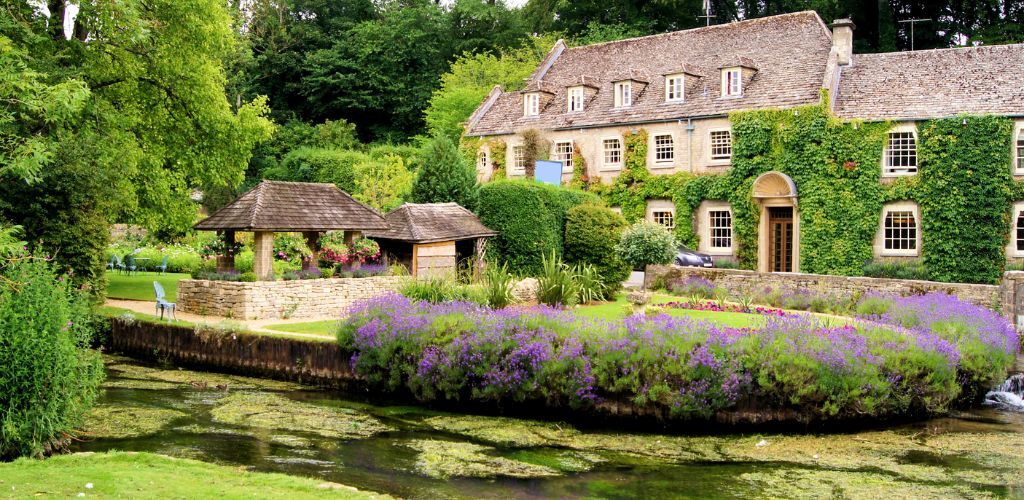
There is a quiet confidence to The Cotswolds aesthetic. It doesn’t shout for attention or follow the latest interior fashions; instead, it is built on heritage and an instinctive understanding of quality. Homes across the Cotswolds feel considered rather than styled, sophisticated rather than ornate, and welcoming without ever being overstated. It is an approach to living that values longevity over novelty, offering a timeless way to stand the test of time.
A Love of Natural Materials
At the heart of The Cotswolds aesthetic is an appreciation for natural materials. Think aged oak, limestone floors, wool, linen and clay. These elements bring texture and warmth while grounding a space in its surroundings. They age gracefully, developing character rather than losing appeal, and connect interiors to the landscape that defines the region. Stone fireplaces, exposed beams and timber floors are not decorative trends; they are part of the fabric of the region.
A Soft, Muted Colour Palette
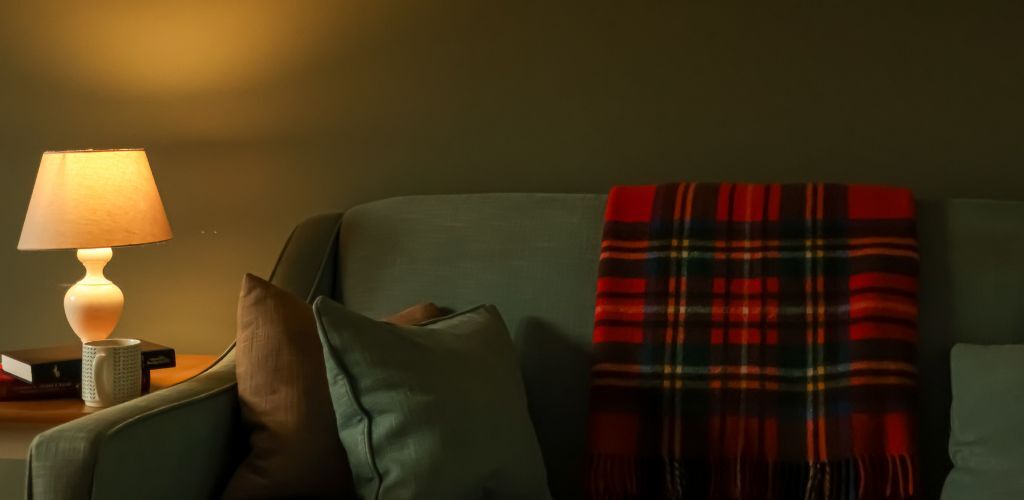
Colour in a Cotswold home is rarely bold or dominant. Instead, it is drawn from the landscape: warm greys, chalky whites, soft taupes, muted greens and gentle blues. These tones create calm, layered spaces that feel timeless rather than seasonal. The palette is deliberately restrained, allowing light, texture and form to take precedence while ensuring rooms remain soothing and harmonious.
Furniture That Feels Collected, Not Curated
Rather than matching sets or showpiece furniture, The Cotswolds aesthetic favours pieces that feel gathered over time. A weathered farmhouse table, an antique sideboard, and a softly upholstered armchair each contribute quietly to the whole. Furniture is chosen for comfort, craftsmanship and character, creating interiors that feel cosy, authentic and lived-in rather than staged.
Understated Elegance Over Decoration

Decoration is subtle and intentional. Instead of statement walls or bold styling, spaces rely on proportion, light and texture. Simple plaster walls, linen curtains and well-chosen lighting allow the architecture and furnishings to speak for themselves. The result is an elegance that feels effortless, never forced, and always appropriate to its setting.
Layering Through Texture, Not Trend
In The Cotswolds, warmth comes from texture rather than the newest patterns or colours. Wool throws, sheepskin rugs, handwoven cushions and natural fibres create depth without clutter. This approach allows interiors to feel rich and inviting while maintaining a sense of calm. It is layering done with restraint, where each piece has purpose.
A Relationship With the Outdoors
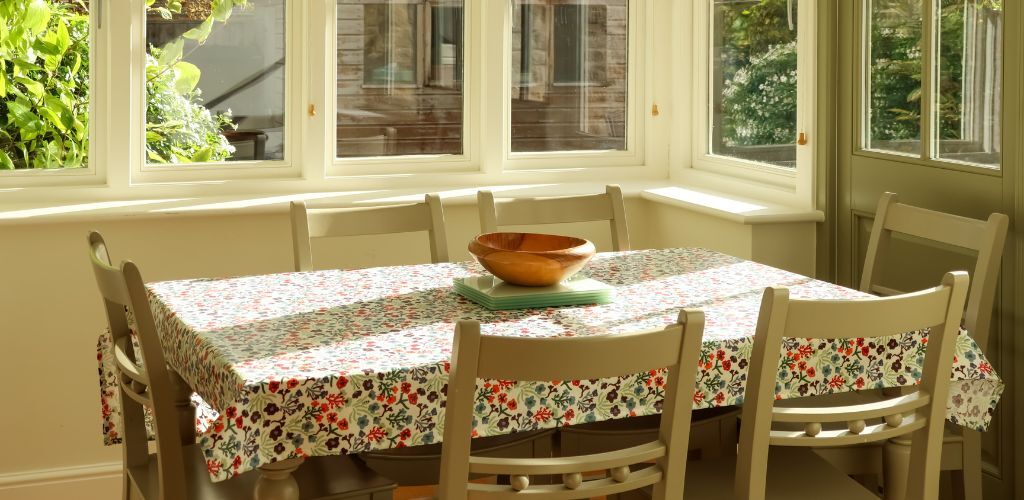
The connection between inside and out is fundamental in a Cotswold home. Windows frame countryside views, gardens are treated as extensions of living spaces, and seasonal changes subtly influence interiors. Fresh flowers, branches, firewood and natural light are used to bring the outside world in, creating a balanced and homely feel throughout the property.
Quality Over Quantity
The Cotswolds aesthetic celebrates fewer, better things. It is about investing in craftsmanship, choosing pieces that will endure, and resisting excess. Every object earns its place, creating a sense of clarity. This philosophy extends beyond interiors and into how homes are lived in.
Why The Cotswolds Aesthetic Endures
Trends come and go, but The Cotswolds aesthetic remains because it is built on principles that never date: simplicity, authenticity and respect for craftsmanship. It offers a way of living that feels grounded and reassuring, particularly in a world that moves quickly and changes often.