Posted on June 05, 2026
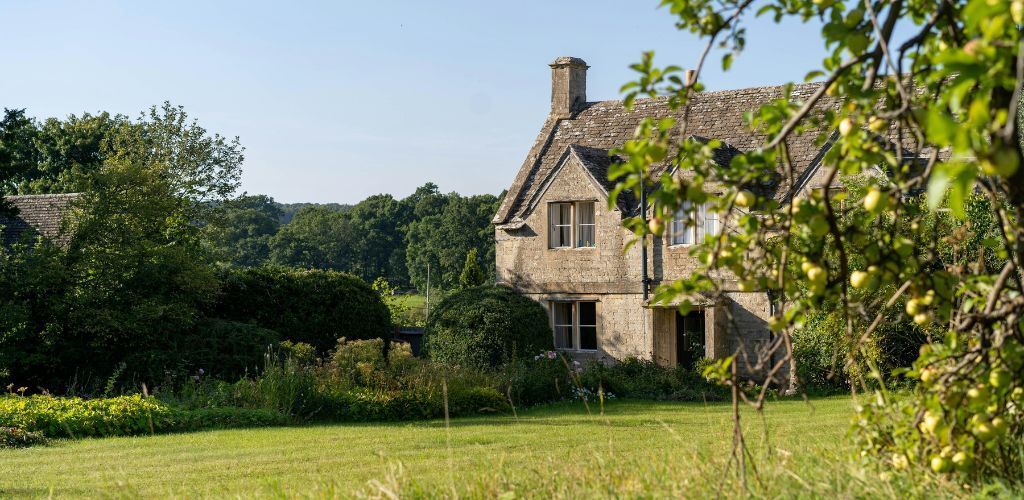
Unlike the dramatic redesigns often associated with seasonal trends, the most successful summer interiors embrace refinement rather than reinvention.
Whether you live in a honey-stone cottage, a contemporary barn conversion or a period townhouse, the transition from spring to summer presents the perfect opportunity to refresh your home. Here are thoughtful updates can transform your space, creating interiors that feel lighter, calmer and ready for the summer season.
Creating Light, Airy And Breathable Interiors
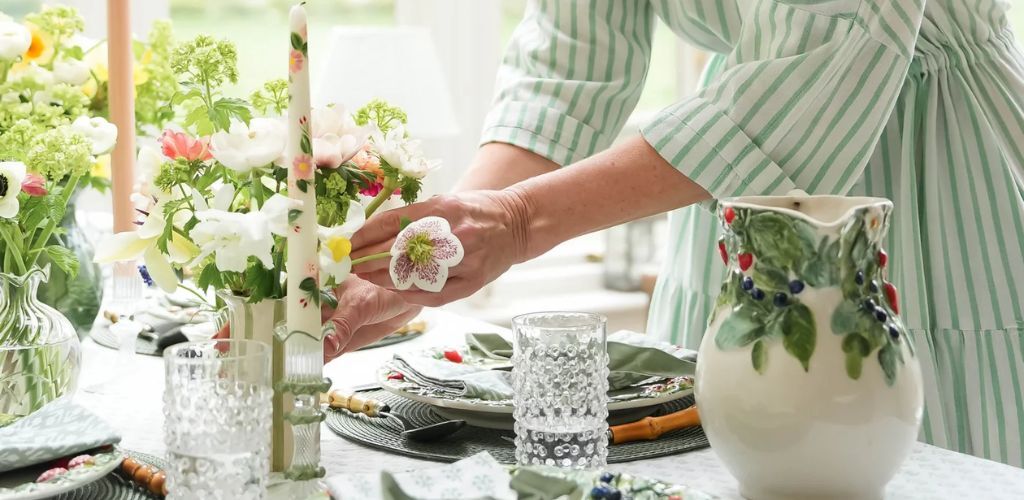
One of the defining characteristics of summer interiors is a sense of openness and ease. As natural light increases, spaces benefit from feeling less visually heavy and more breathable.
Rather than introducing entirely new furniture or undertaking costly renovations, consider editing your existing scheme. Remove unnecessary accessories, reduce visual clutter and allow architectural features to take centre stage.
Practical Ways to Lighten a Room
Replace heavier winter throws with lightweight linen alternatives.
Swap dark cushion covers for softer neutral tones.
Reduce oversized decorative objects and create more negative space.
Introduce mirrors to reflect natural light throughout the room.
Keep window dressings light and flowing rather than heavy and structured.
For those looking to refresh soft furnishings, brands such as So Souk offer beautifully crafted linen textiles that bring softness, texture and an understated sense of luxury to summer interiors.
Building A Timeless Neutral Foundation
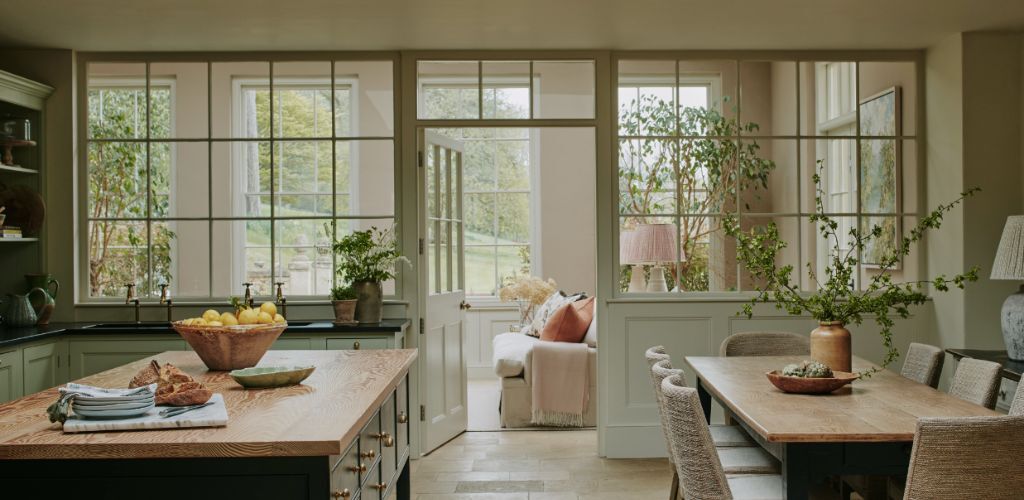
A successful summer aesthetic begins with a strong neutral base. Rather than chasing seasonal colour trends, timeless interiors rely on a palette that feels sophisticated throughout the year.
Soft whites, warm beiges, stone tones and muted greys work particularly well within Cotswold homes, complementing natural stone, timber beams and traditional architectural details.
Colours That Work Beautifully in Summer
Consider layering tones such as:
Chalk white
Warm ivory
Oatmeal
Soft mushroom
Limestone
Pale greige
Dove grey
Interior designers such as Sims Hilditch have long championed the use of warm neutrals, demonstrating how subtle tonal palettes can create spaces that feel both sophisticated and enduring.
The Beauty Of Natural Materials
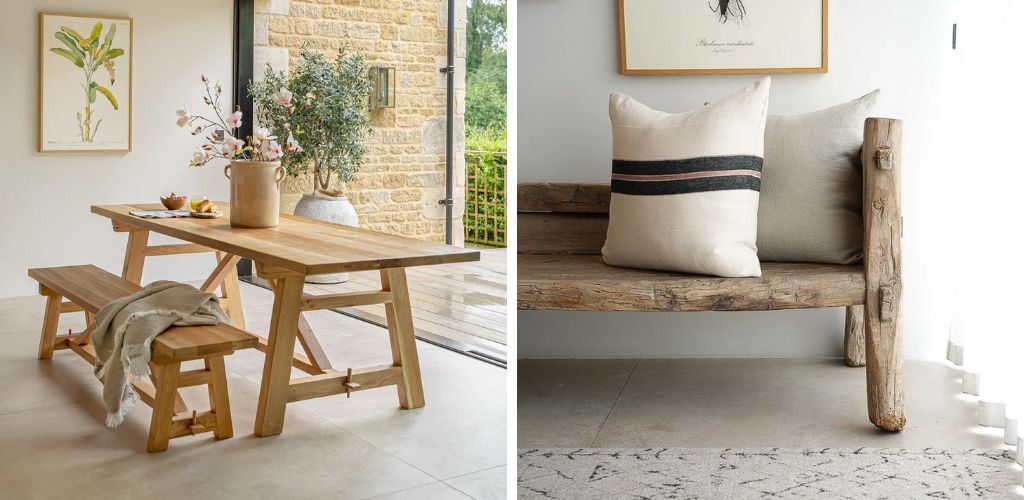
As we move towards summer, natural materials become increasingly important. They introduce texture, warmth and authenticity while helping interiors feel connected to the outdoors.
Linen remains one of the most versatile materials for seasonal styling. Its natural texture adds softness without feeling overly formal, while its breathable qualities make it ideal for warmer weather.
Consider introducing linen through:
Cushion covers
Bed linens
Lightweight curtains
Tablecloths
Upholstered accent chairs
A linen sofa, such as those found within the collections at Cotswold Grey, can become the foundation of a relaxed summer scheme, bringing both comfort and texture into the heart of the home.
Why Texture Matters More Than Colour
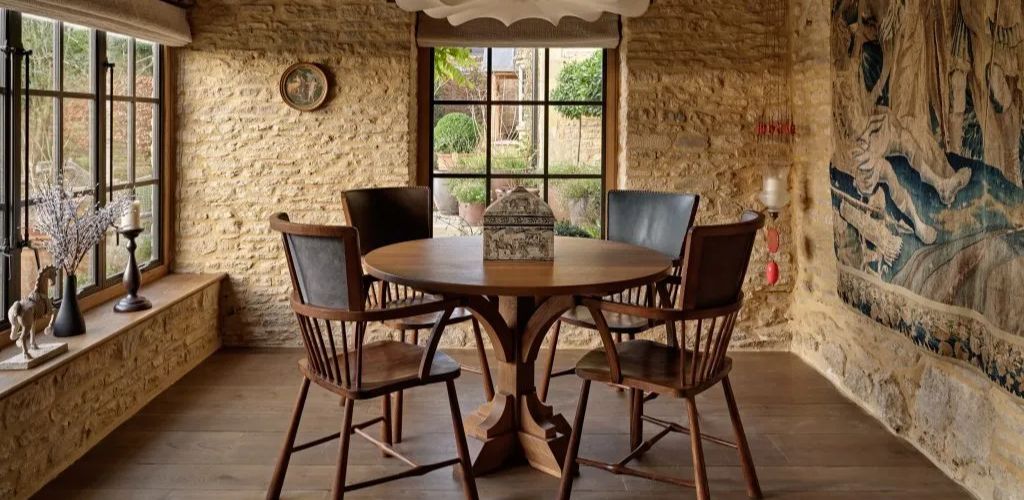
One of the hallmarks of sophisticated interior design is the use of texture rather than excessive colour. In neutral spaces, texture becomes the element that creates depth, interest and visual richness. Without it, even the most beautiful colour palette can feel flat.
A well-layered room might combine:
Smooth painted walls
Soft linen upholstery
Woven baskets
Natural wood surfaces
Handcrafted ceramics
Textured rugs
Design studios such as Studio Bellord often use texture as the defining feature of a scheme, combining natural woods, tactile fabrics and handcrafted finishes to create visual richness without relying heavily on colour.
Introducing Seasonal Colour Without Redecorating
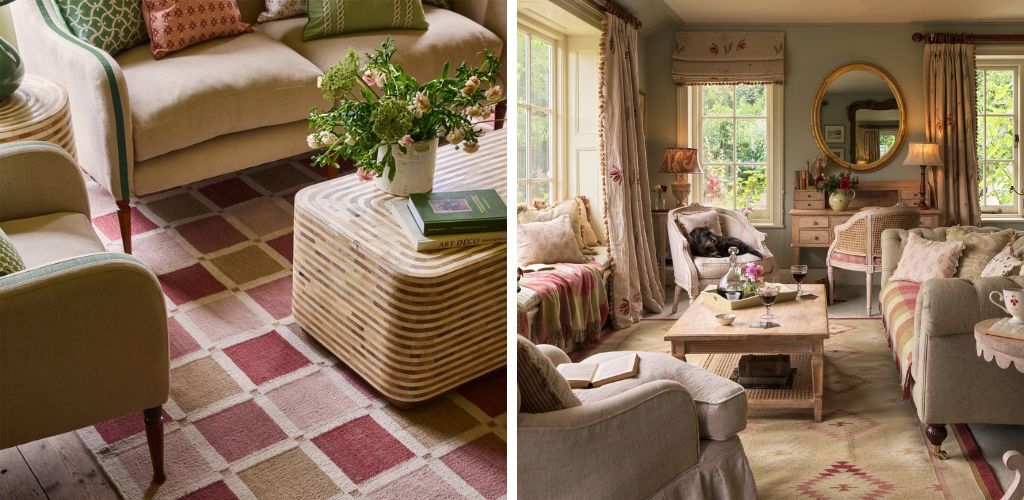
Rather than repainting walls or replacing major furniture pieces, consider using accessories to introduce subtle seasonal variation. Soft sage greens, muted blues, gentle terracottas and faded botanical tones work particularly well within neutral interiors. These additions create seasonal interest while preserving the longevity of the overall design scheme.
Summer colour can be incorporated through:
Cushions
Throws
Artwork
Ceramic vases
Lampshades
Fresh flowers and foliage
The colourful textiles and artisan-inspired prints found at Birdie Fortescue or Susie Watson Designs offer an elegant way to refresh a room for summer.
Layering For A Relaxed Yet Refined Summer Aesthetic
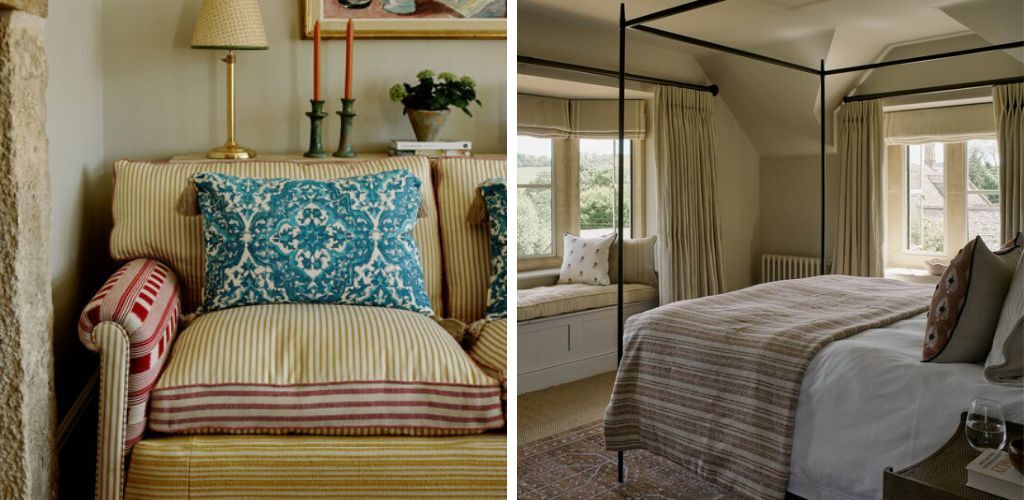
Layering is often associated with winter interiors, but it is equally important during summer. Instead of heavy velvets and dense textiles, summer layering relies on lighter fabrics, natural finishes and carefully considered combinations of texture.
A Simple Formula for Summer Layering
Start with:
A neutral foundation
One or two accent colours
Several natural textures
Organic decorative elements
Then build gradually through cushions, throws, rugs and accessories.
The most successful layered interiors, as seen in the work of Lauren Gilberthorpe Interiors, combine texture, tone and natural materials to create rooms that feel welcoming yet effortlessly refined.
Maximising Natural Light And Connecting Indoors With Out
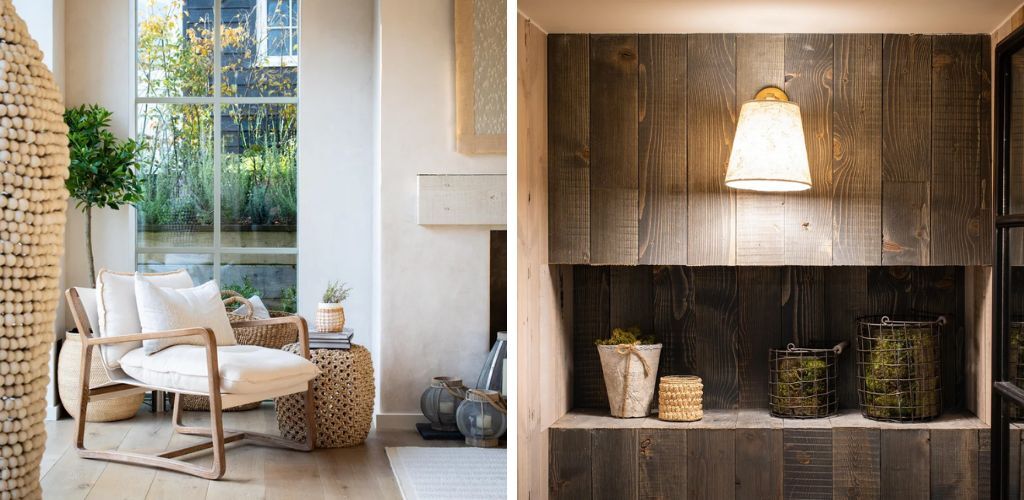
One of the greatest luxuries of the summer months is natural light. Making the most of it can dramatically improve both the appearance and enjoyment of a home. Keep windows clean, avoid overcrowding window sills and position mirrors strategically to bounce light into darker corners. Furniture placement also matters. Avoid blocking windows with bulky pieces and consider creating seating arrangements that take advantage of garden views.
One of the simplest ways to create a stronger connection with the outdoors is through natural planting. Rather than relying solely on cut flowers, consider incorporating:
Potted lavender for fragrance and colour
Mini olive trees for Mediterranean character
Rosemary or thyme plants in the kitchen
Seasonal garden cuttings displayed in simple ceramic vessels
Fresh greenery gathered from the garden
Many contemporary Cotswold homes, including projects by Osborn Interiors, focus on creating a seamless flow between indoor and outdoor spaces, helping rooms feel brighter and more connected to their surroundings.